How to play
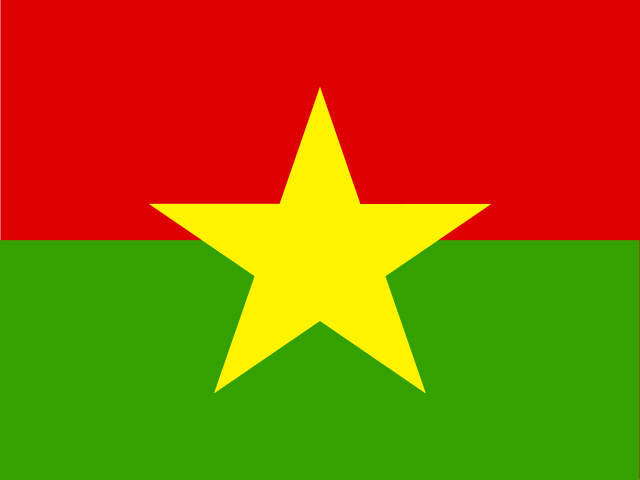
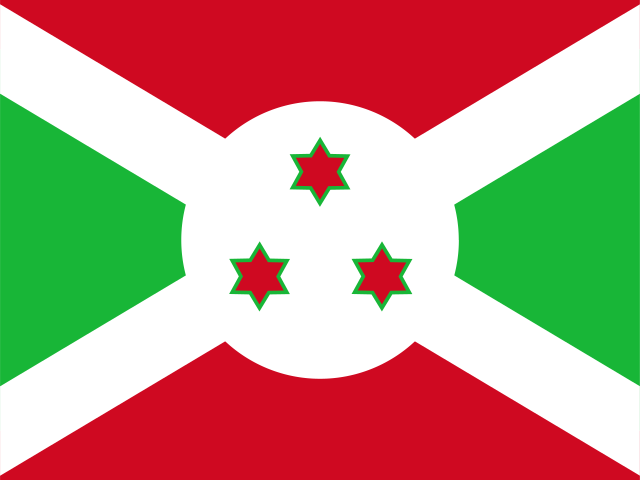
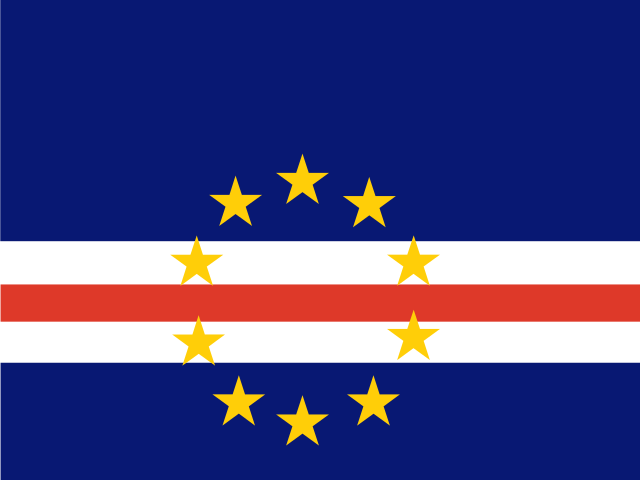
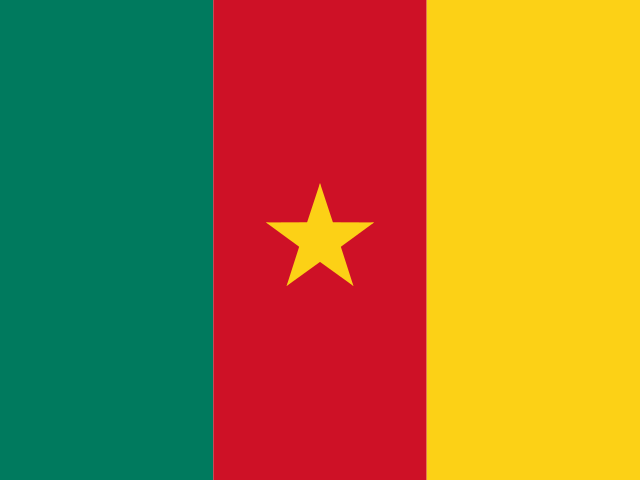
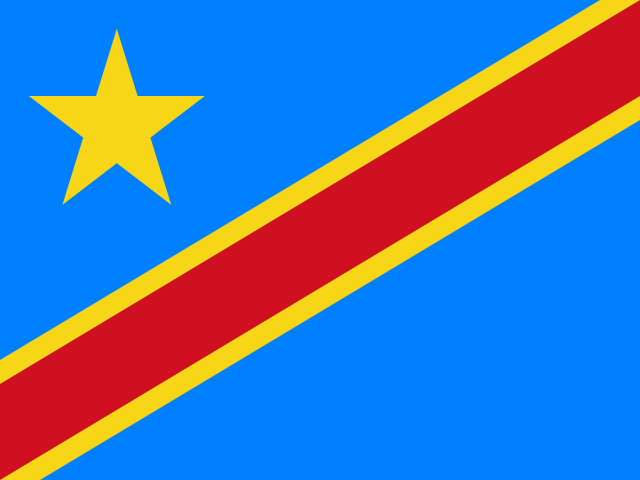
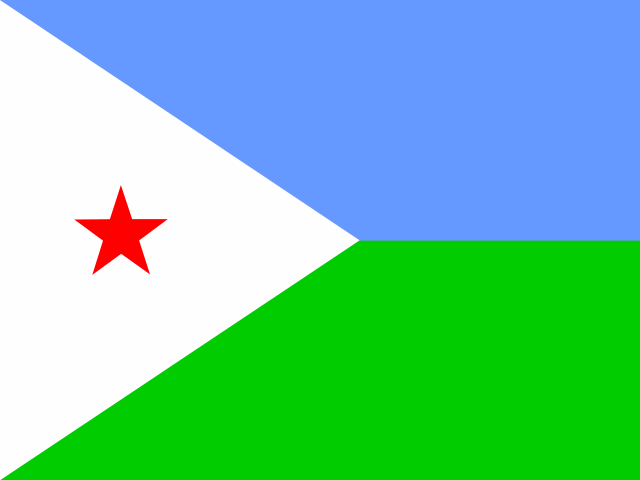
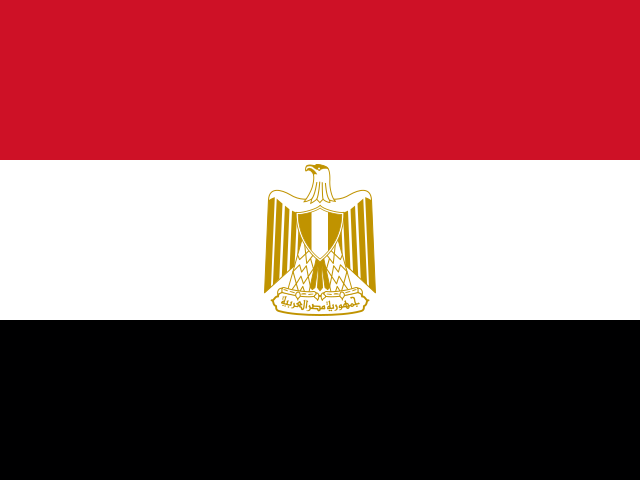
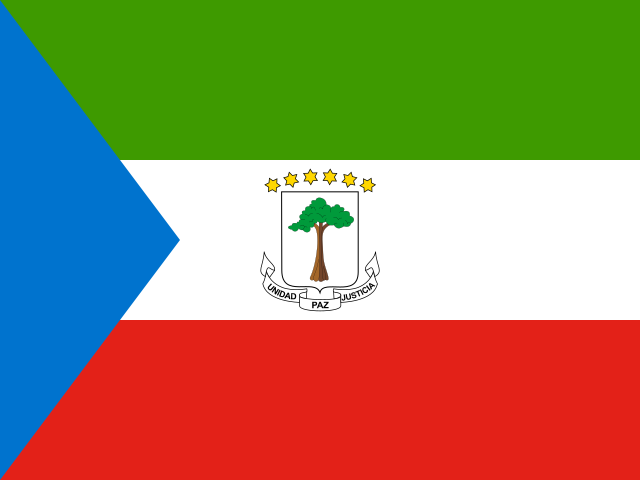
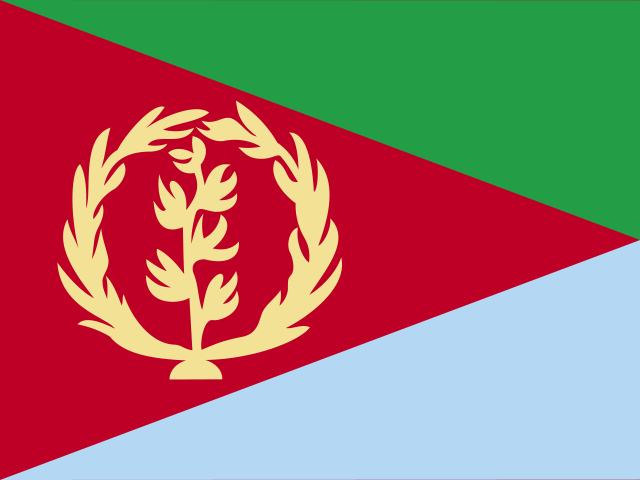
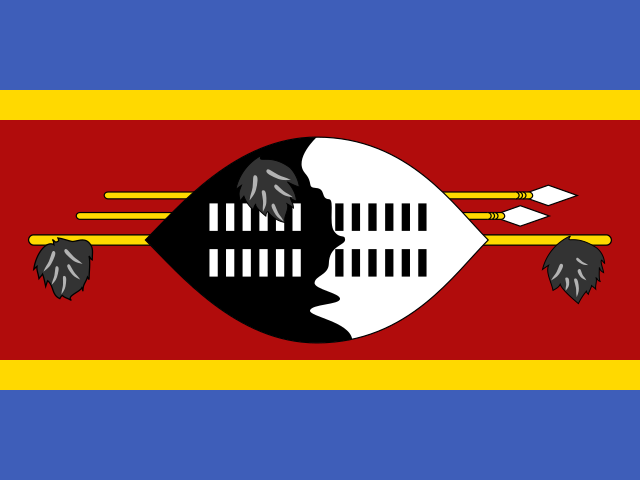
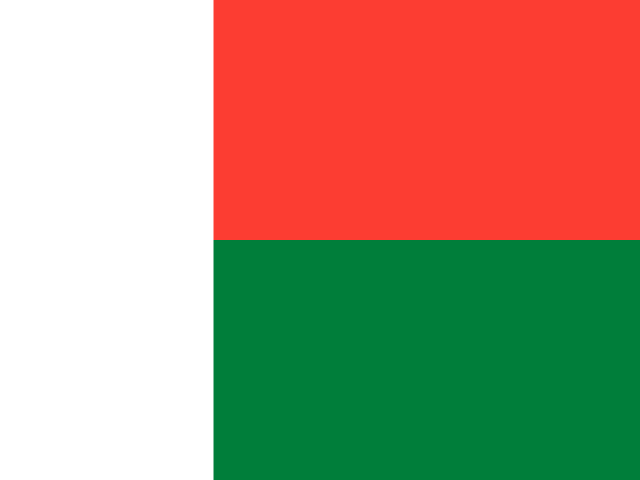
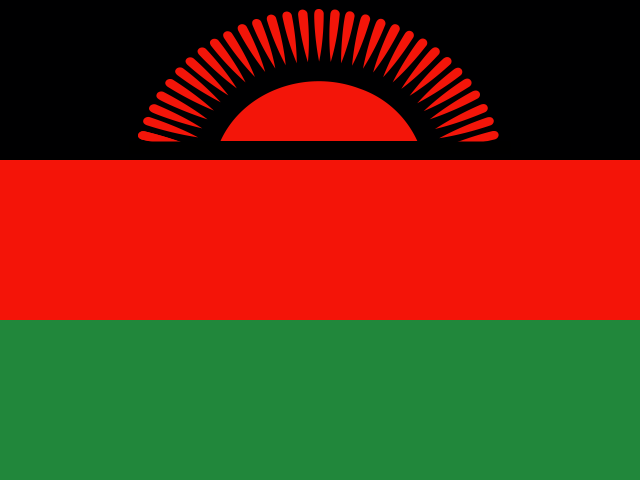
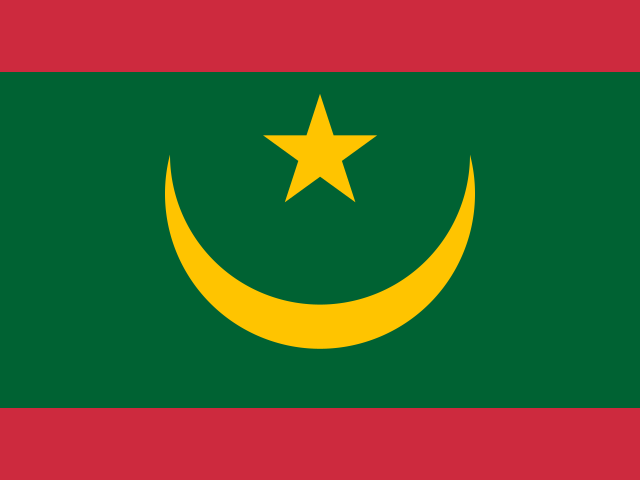
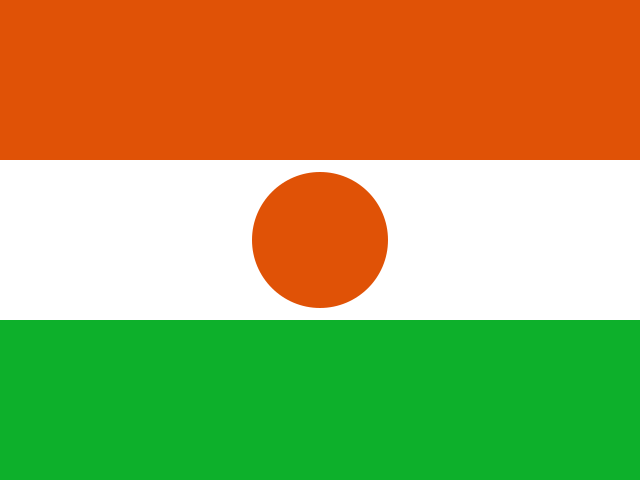
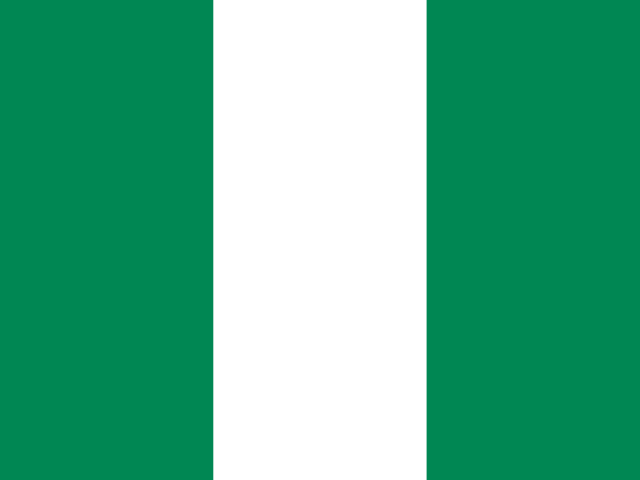
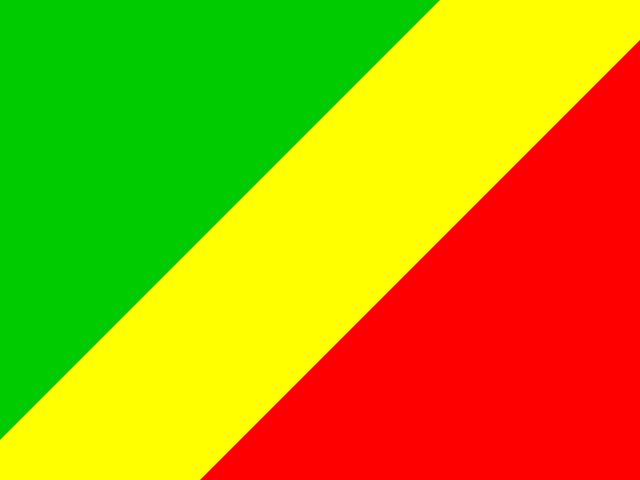
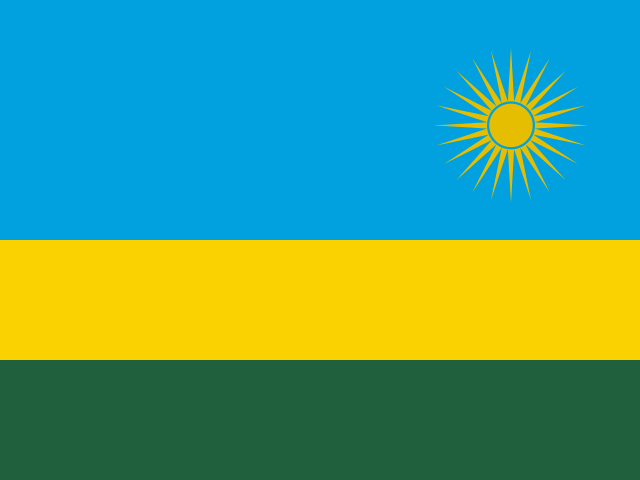
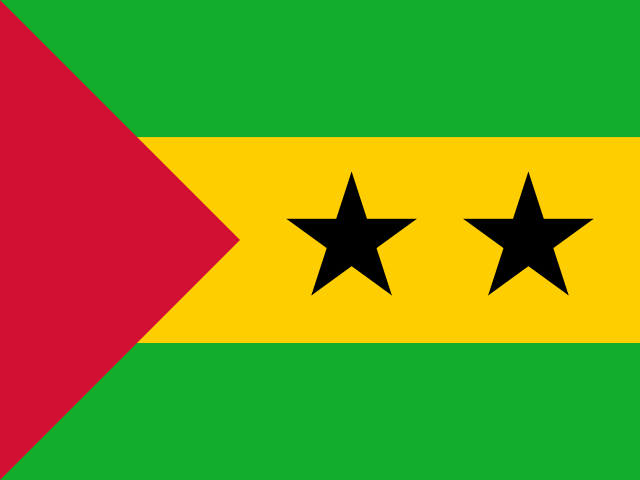
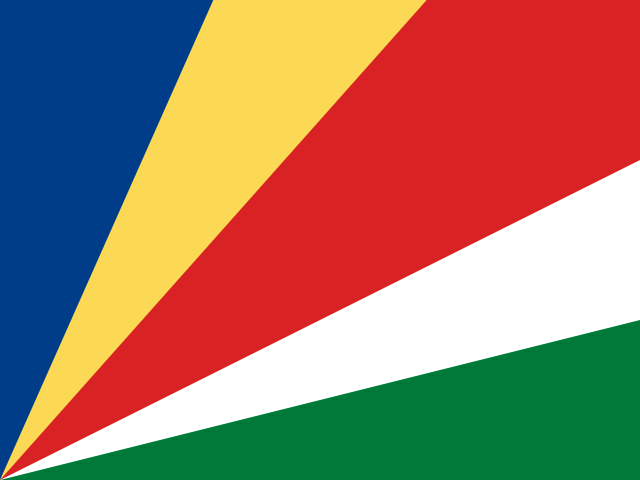
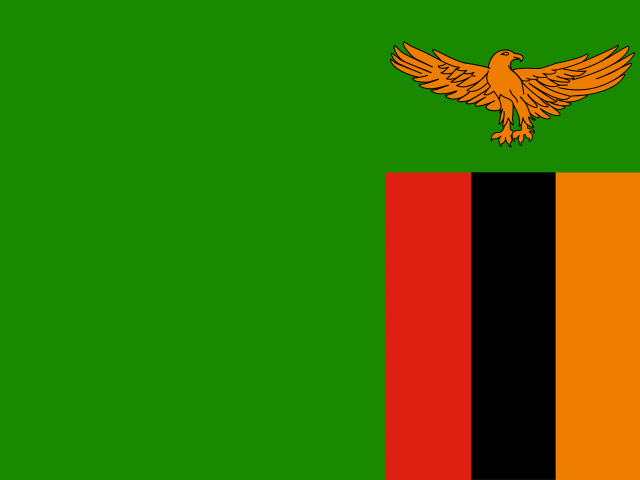
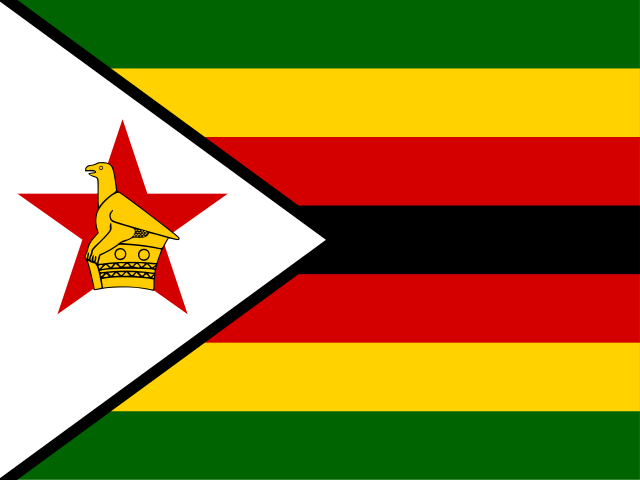
Each question shows one flag and four countries. Pick the one it belongs to. The wrong answers are not random: when a flag has a lookalike, that lookalike is one of the choices, and the rest come from the same part of the world. Get it wrong and the game shows the two flags side by side, so you can see what tells them apart. At the end you get a list of the flags you missed.
The main round asks all 54 African flags once, in a random order. Today's ten is a short daily round that is the same for everyone, with a share button that gives away no answers. It is free, needs no account and works on phones, tablets and Chromebooks.
Why African flags are easy to mix up
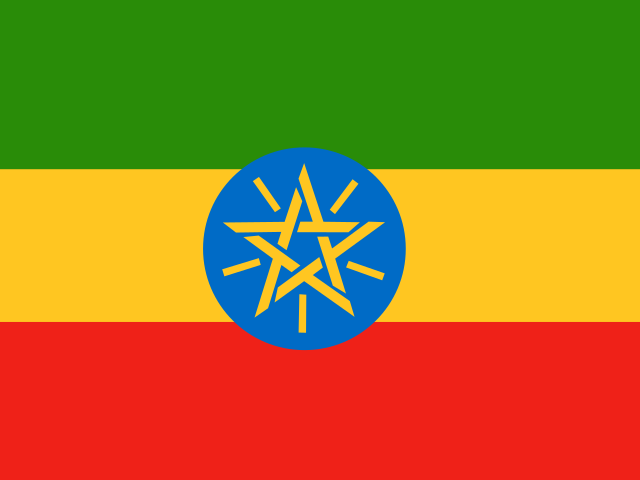
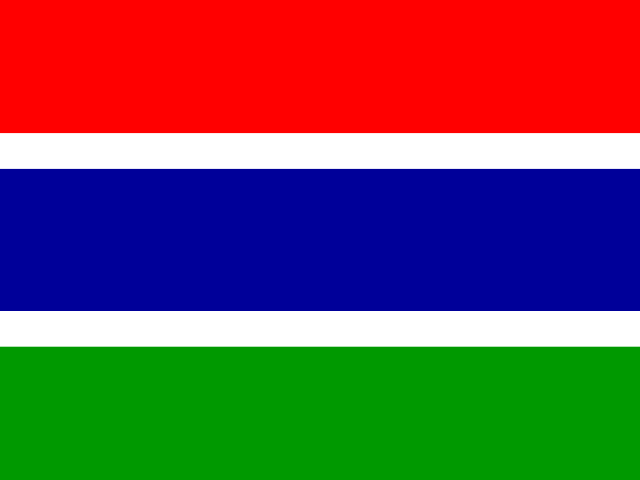
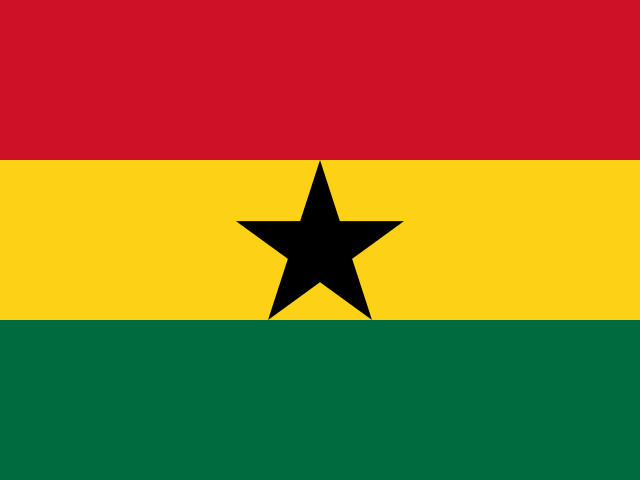
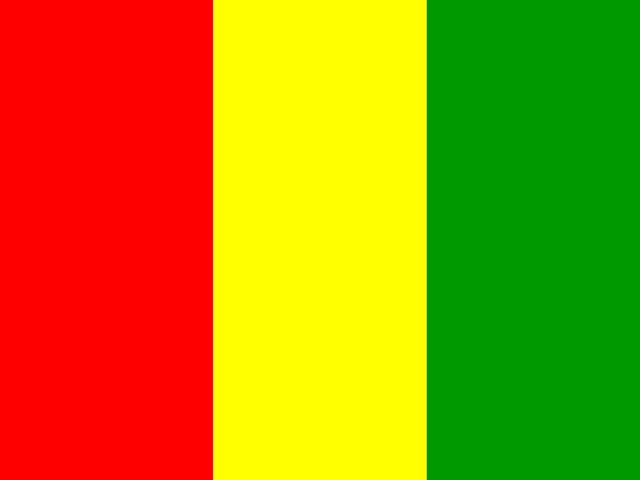
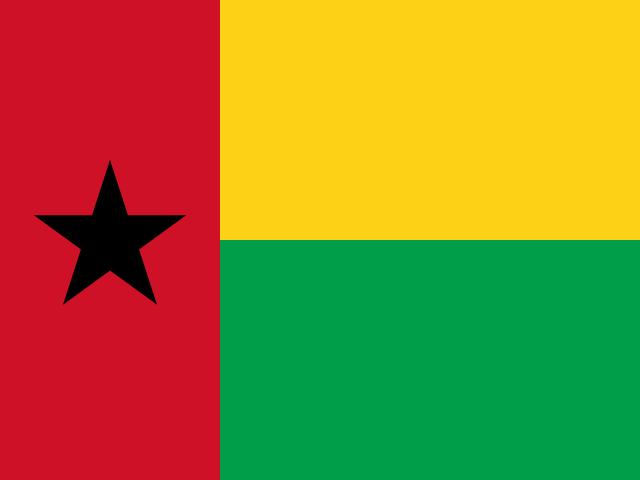
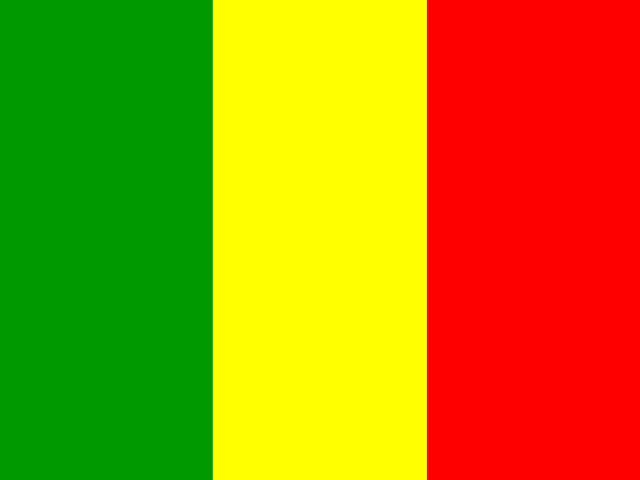
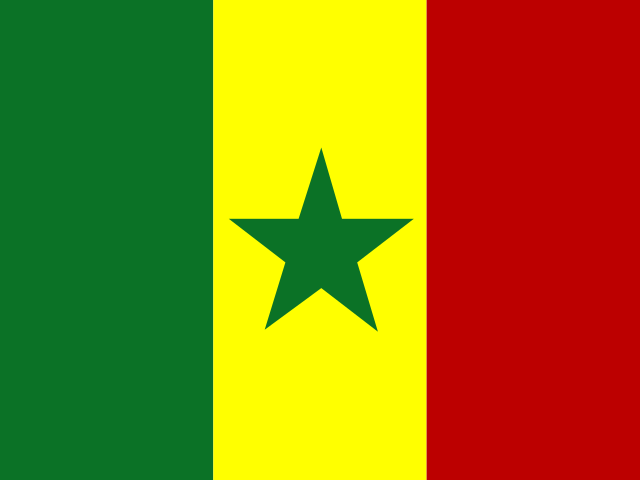
Many African flags share the same three colors: red, yellow and green, taken from the flag of Ethiopia, a long-standing symbol of African independence. Ghana adopted them at independence in 1957 and many other countries followed, so whole groups of flags differ only in stripe order and symbols. Senegal and Mali are both green, yellow and red vertical stripes, and Senegal adds a green star. Guinea uses the same colors in the reverse order, red first.
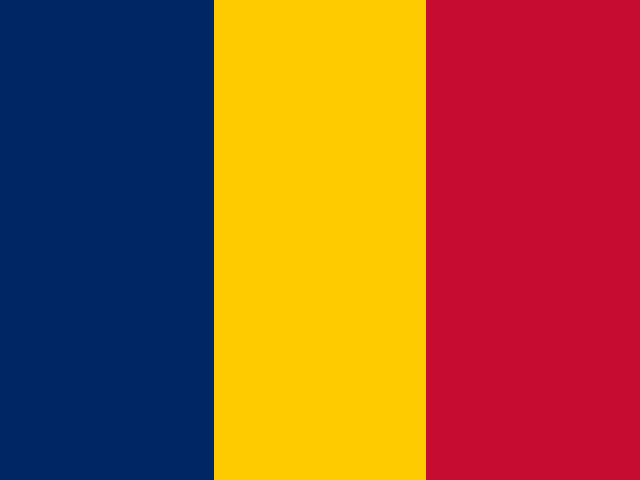
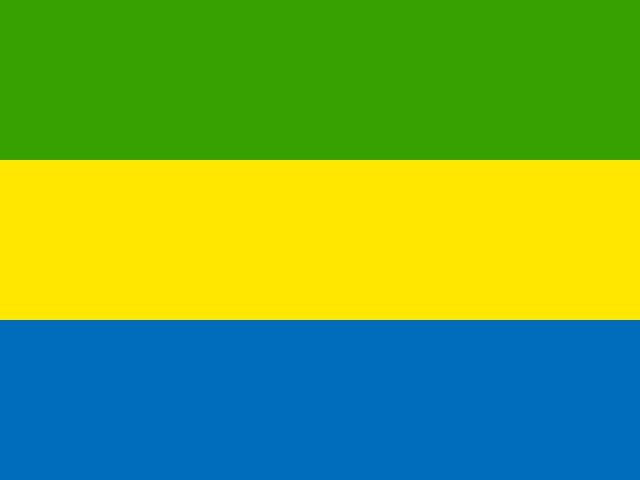
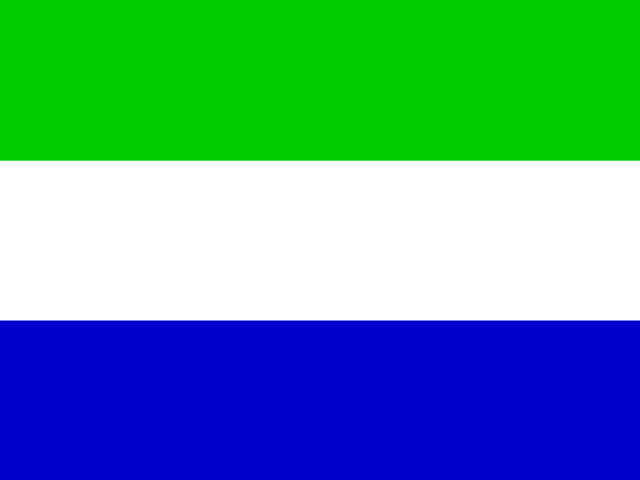
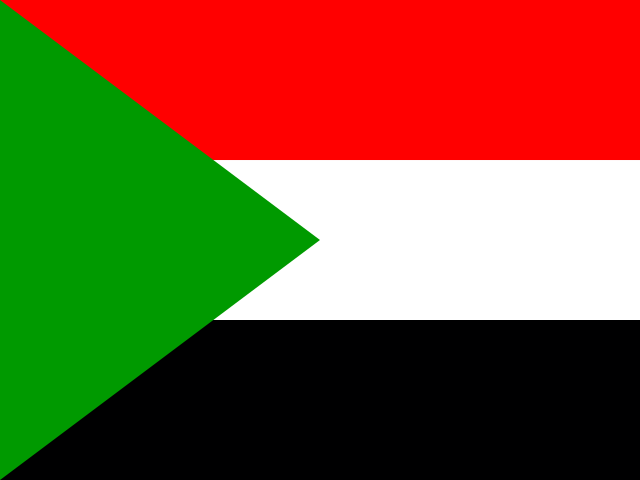
Other pairs to watch: Chad looks almost exactly like Romania's flag in Europe. Sudan uses the red, white, black and green of the pan-Arab colors, like Palestine and Jordan in Asia. Gabon (green, yellow, blue) and Sierra Leone (green, white, blue) are horizontal tricolors that are easy to swap.
All 54 countries of Africa
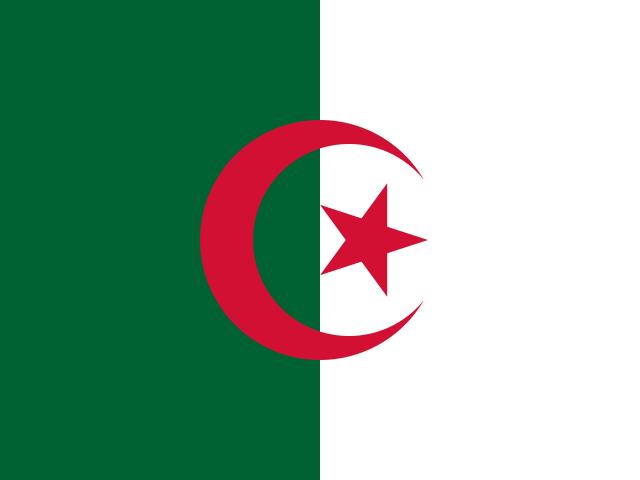
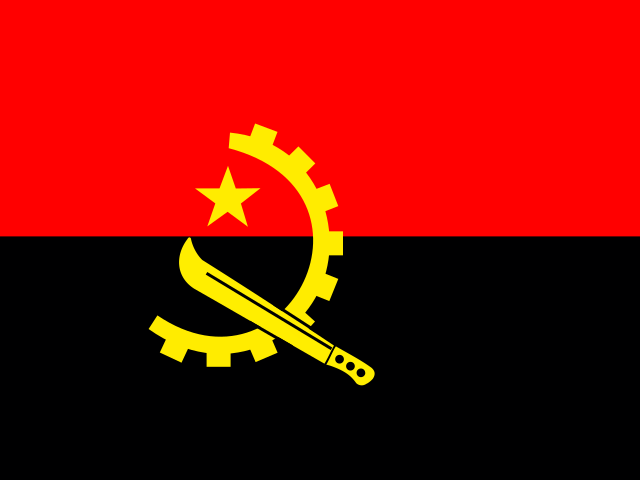
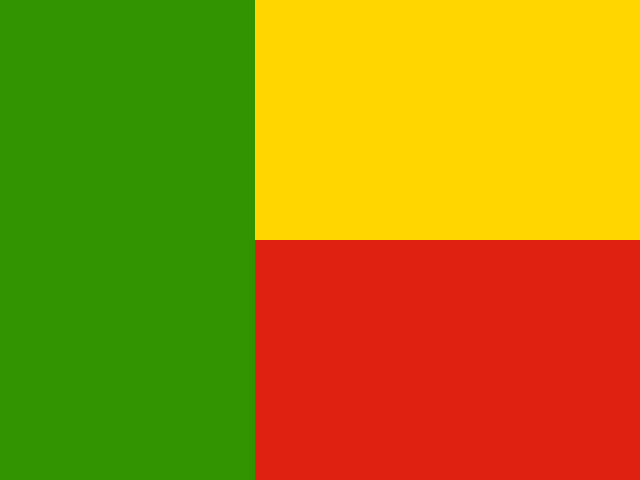
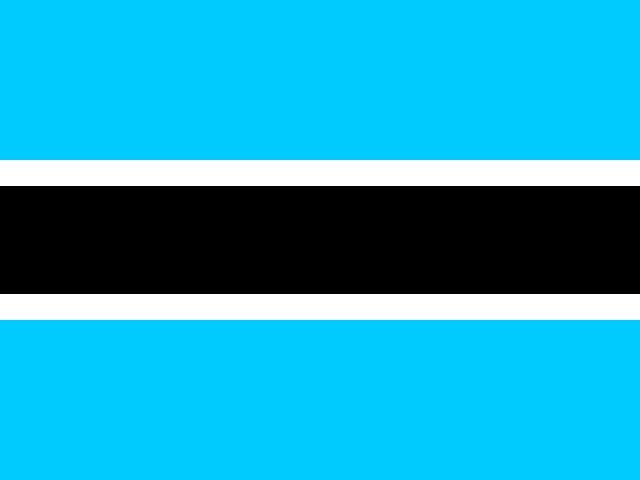
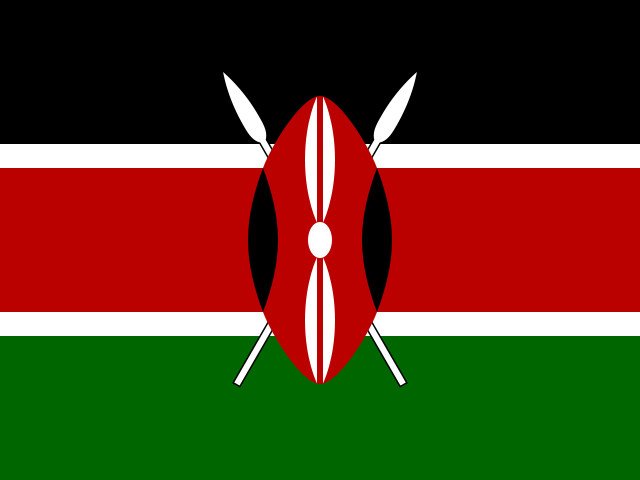
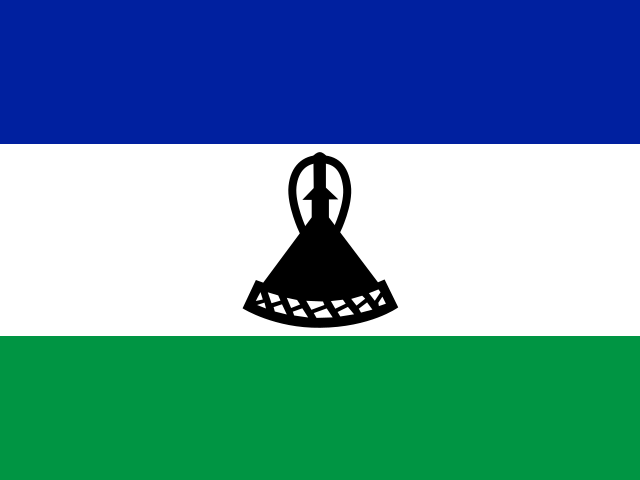
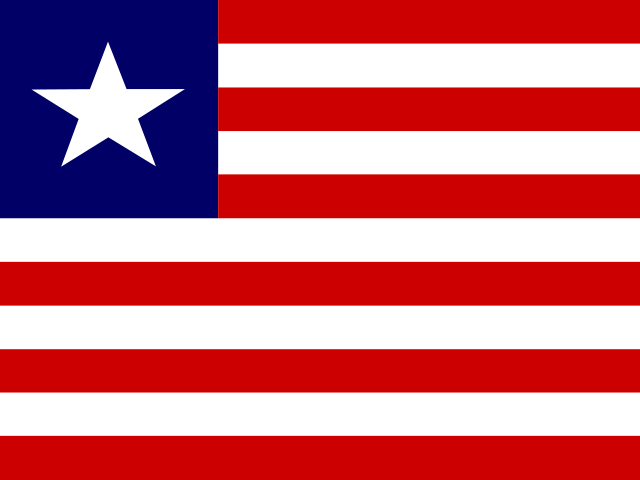
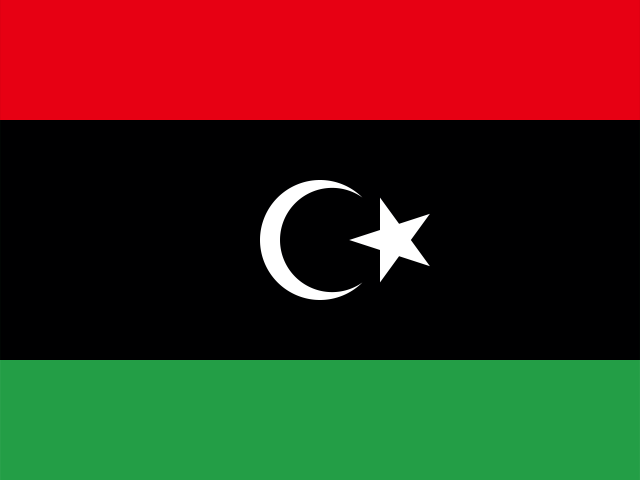
Algeria, Angola, Benin, Botswana, Burkina Faso, Burundi, Cabo Verde, Cameroon, Central African Republic, Chad, Comoros, Côte d'Ivoire, Democratic Republic of the Congo, Djibouti, Egypt, Equatorial Guinea, Eritrea, Eswatini, Ethiopia, Gabon, Gambia, Ghana, Guinea, Guinea-Bissau, Kenya, Lesotho, Liberia, Libya, Madagascar, Malawi, Mali, Mauritania, Mauritius, Morocco, Mozambique, Namibia, Niger, Nigeria, Republic of the Congo, Rwanda, São Tomé and Príncipe, Senegal, Seychelles, Sierra Leone, Somalia, South Africa, South Sudan, Sudan, Tanzania, Togo, Tunisia, Uganda, Zambia, Zimbabwe.